
Puntos de Interés

Vegetation
Alcornocal (Cork Tree Forest)
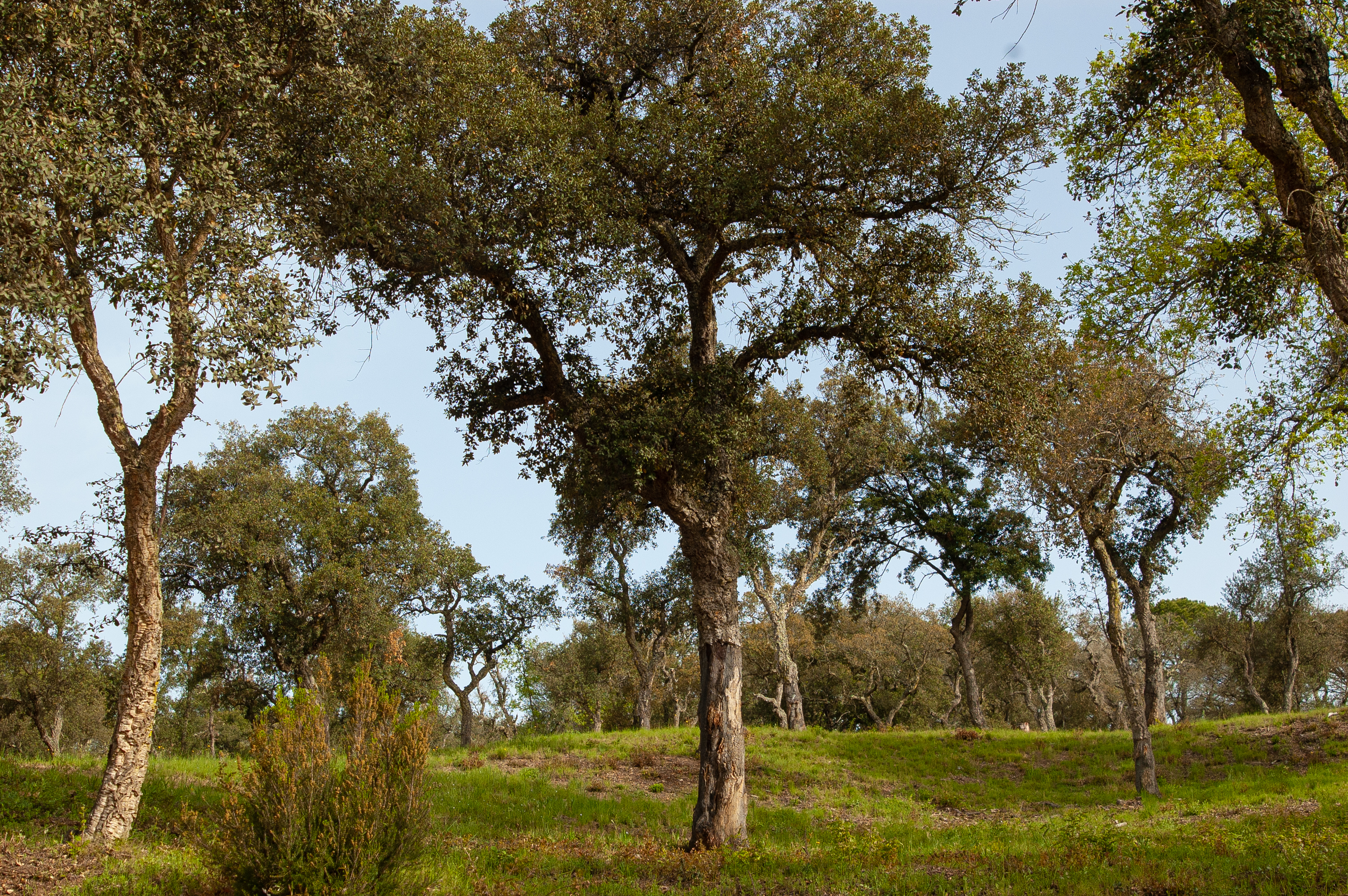
With an extensive rural area and with much of the municipality falling within the protected areas of the Gavarres and Puig de Cadiretes, Llagostera has an exceptional natural heritage and extensive vegetation in which cork oaks (Quercus suber) thrive.
A medium-sized evergreen tree of European and North African origin, specimens live between 150-250 years. The species is widespread in this area, having been cultivated for its thick and rough cork bark.
It should be noted that the quality of the cork obtained is proportional to the number of years it takes to be produced. The optimum thickness for harvesting is about 30 mm, since a normal cork stopper, the product with the greatest benefit obtained from cork, is usually about 24 mm.
Cork is a renewable resource since its harvest causes no damage to the tree, which can then produce new layers. The cork obtained from the first harvest is called bornizo and is not suitable for cork stoppers, since it is too irregular and rough. Subsequent harvests are known as leva and typically occur at 12-14 years intervals; however, it is not until the third husk is harvested that the cork is of sufficient quality to make stoppers.
This type of tree is common in Mediterranean forests, such as the one found in this area, where the Can Llambí estate is located. This estate includes extensive areas of cork oak groves, which were extremely prosperous during the golden age of cork.
The Llambí Cork is a type of cork oak characterised by its large dimensions. The proximity of the estate to cork processing plants presented it with a fantastic opportunity for growth, with the activity surviving to the present day.
As with other oak species, the fruit of the cork oak is the acorn, which serves as food for various fauna, such as cranes or Iberian pigs.