

Puntos de Interés

Municipality
Manresa
Manresa, the capital of the Bages region and situated in the heart of Catalonia, is a city closely linked to the River Cardener, the River Llobregat and the historic Manresa Canal, one of the most important feats of hydraulic engineering of the European Middle Ages. Thanks to its strategic location in the Catalan interior, the city of Manresa has established itself over the centuries as a leading commercial, cultural and economic centre.
Its history dates back to the Iberian and Roman periods, although its most significant development took place during the Middle Ages. Between the 13th and 14th centuries, the city experienced significant economic growth thanks to trade and the construction of the Canal, ensuring a reliable water supply and facilitating agricultural development in the region. Another important episode in its history was the stay of St Ignatius of Loyola in 1522, making Manresa a major destinations for Ignatian pilgrimages.
The local economy has evolved from traditional agricultural and craft-based activities towards a diversified structure based on industry, services, trade and university-related activity. During the 19th and 20th centuries, the textile industry played a key role in the city’s growth, aided by the availability of water and hydro power.
Manresa’s cultural heritage is exceptional. A particular highlight is the imposing Basilica of Santa Maria de la Seu, one of the great masterpieces of Catalan Gothic architecture, designed by Berenguer de Montagut. Other highlights include the Cova de Sant Ignasi, a spiritual centre of international significance; the Pont Vell, a medieval bridge; and numerous Modernist and Baroque buildings scattered throughout the historic centre. The city also preserves important remnants of its industrial and hydraulic heritage linked to the Canal.
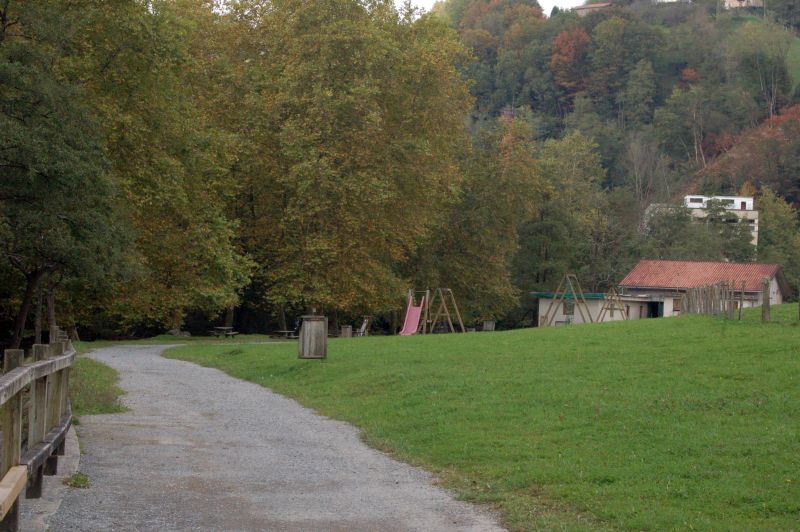
The natural environment is characterised by the Cardener and Llobregat valleys, as well the urban parks and riverside areas that link the city with the Bages countryside. The proximity of Montserrat adds a notable scenic attraction to the area.
Among its most notable festivals are the Festa de la Llum, held in February and linked to the construction of the canal, and the Festa Major, which fills the streets with cultural activities, music and folk traditions.