


Puntos de Interés

Culture
Historically, the Port de Vielha was one of the main natural passes between the Aran Valley and the Ribagorza region. For centuries, shepherds, traders and travellers used this pass to cross the mountain range, particularly during the summer months. However, the high altitude and harsh weather conditions made the pass a difficult and, at times, dangerous route. The opening of the Vielha Tunnel in 1948 marked a turning point for transport links in the area, as it made it possible to cross the mountain range all year round without having to go over the pass. Nevertheless, the Port de Vielha retains great historical and scenic value as a former mountain route and as a prime vantage point over the Pyrenean landscape.
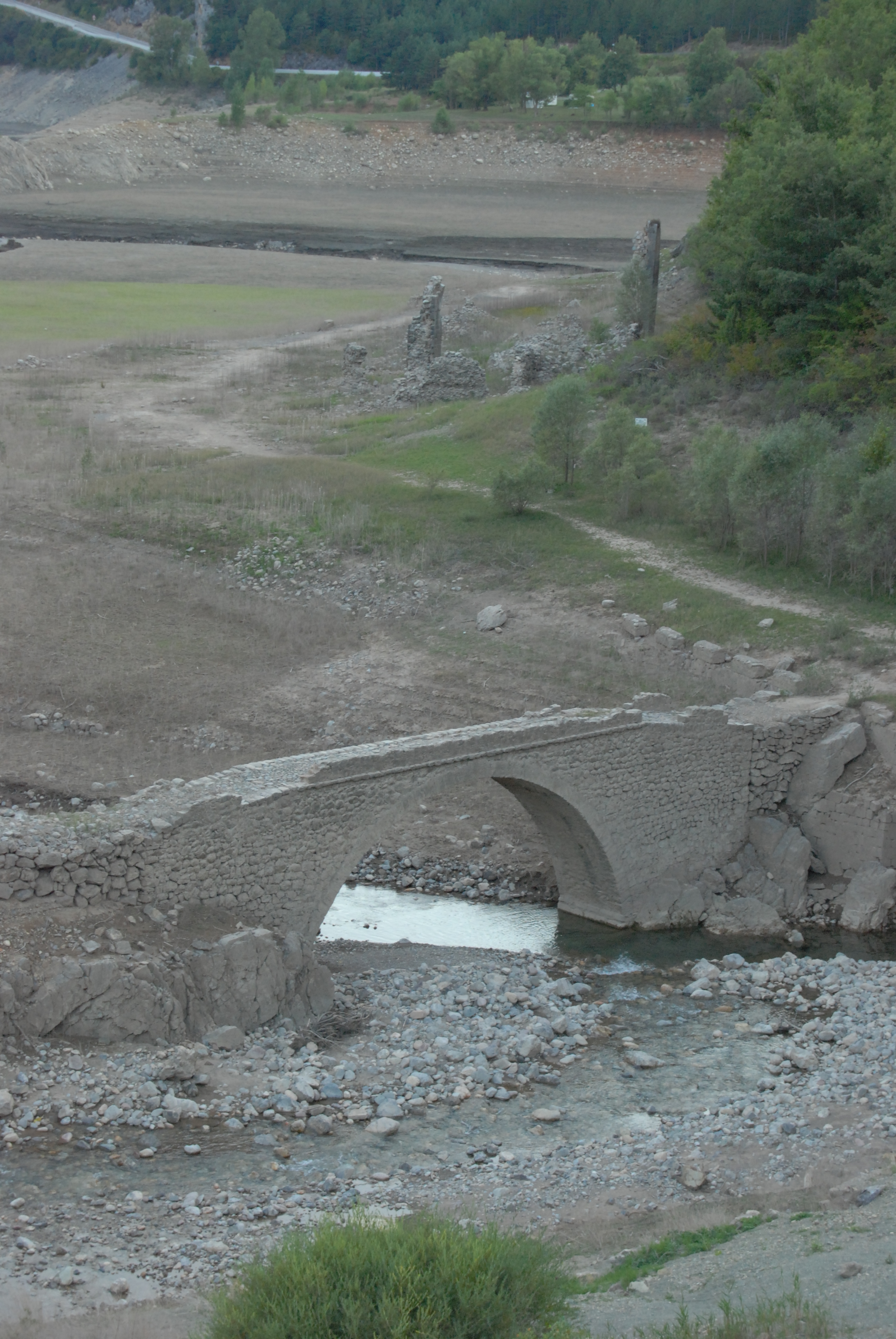
The monastery of Santa Maria de Lavaix, situated in the municipality of Pont de Suert, in the Alta Ribagorza region, played a significant role at various stages since its foundation, although since 1955 its ruins have lain beneath the Escales reservoir, meaning they can only be seen when the water level is low.
Originally belonging to the Benedictine Order and dating back as far as the year 939, the monastery enjoyed a period of great splendour, marked by the receipt of donations, until the end of the 11th century, when the conflict between Ramón IV of Pallars Jussá and Artau I of Pallars Sobirá over the monastery led to the end of communal life there.
In the 12th century, it experienced a new period of prosperity thanks to the improvement works undertaken, which consisted of the building of the church and the construction of a cloister which, with its 16 capitels, would become the family pantheon of the Barons of Erill. In the 13th century, it became part of the Cistercian Order, and in 1624 it joined the Cistercian Congregation of the Crown of Aragon. During this period, further building work was carried out, including the construction of an abbey palace.
The Monastery of Santa Maria de Lavaix remained a prosperous and powerful institution until the confiscation of 1835, and the monks left for good in 1855, at which point it was abandoned and the plundering began. Later, in the 20th century, the Escales reservoir was built; its waters have concealed the site ever since, except at times of low water levels, when the ruins can be seen and even accessed.