

Puntos de Interés

Municipality
Vielha
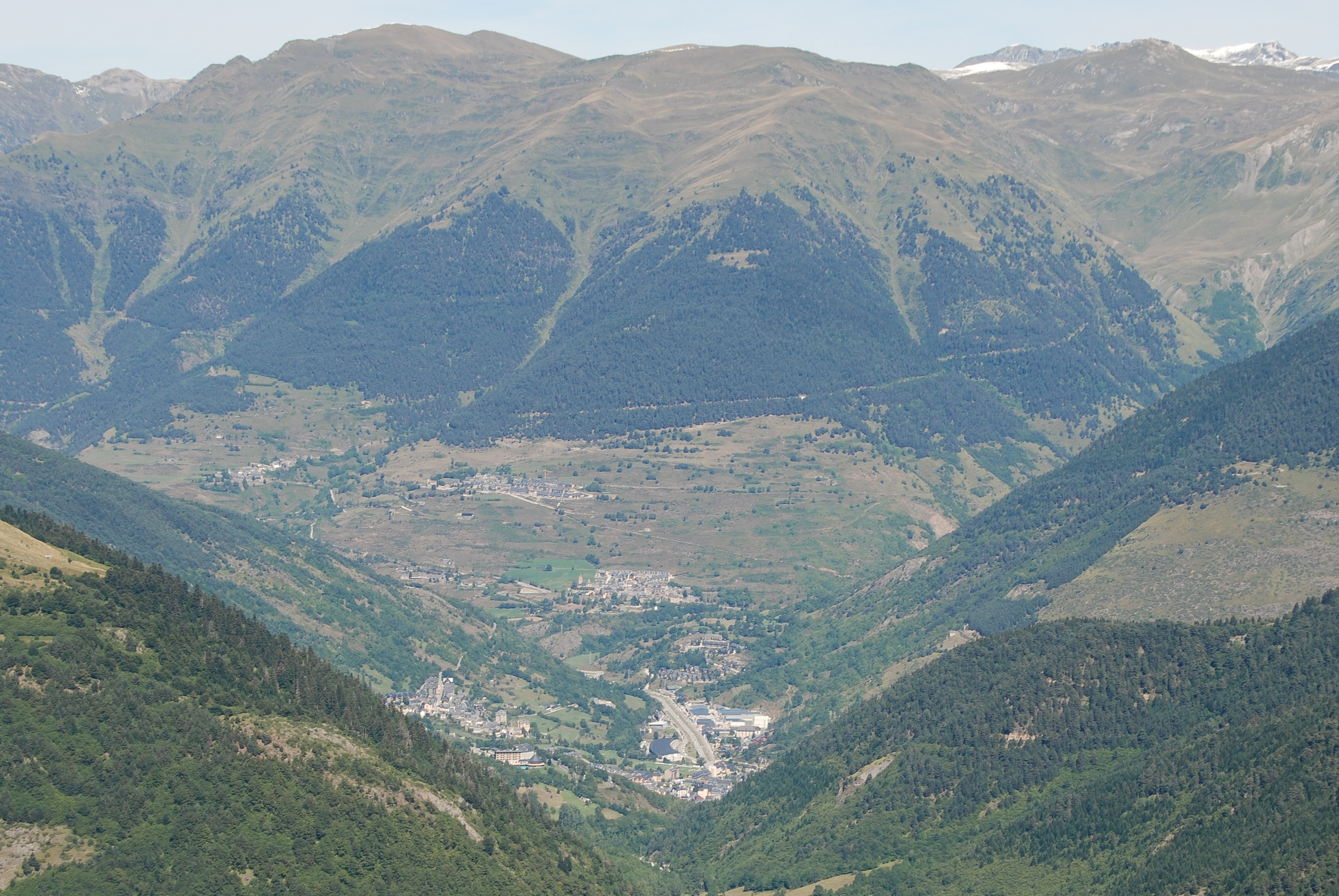
Vielha, also known as Vielha e Mijaran, is the capital of the Val d’Aran, in the heart of the Catalan Pyrenees, and the main town in the municipality of the same name, comprising some thirty mountain hamlets. Perched at around 980 metres above sea level, at the confluence of the Garonne and Nère rivers, it is home to around 40% of the valley’s population, and is the administrative, cultural and social hub of the comarca.
Its history dates back to ancient times, to pre-Roman settlements, and in Roman times it was known as Vétula. Throughout the Middle Ages, it was gradually incorporated into the Crown of Aragon, maintaining a strategic position in a region which, due to its rugged terrain and scarce roads, historically remained somewhat isolated from the rest of the Iberian Peninsula. Until the Vielha Tunnel was built in 1948, the valley was inaccessible by road from the south for a good part of the year.
The local economy is based on its role as the capital of a mountain region with a strong tradition of tourism, geared primarily towards nature and winter sports. The proximity of the Baqueira Beret ski resort and the extensive network of mountain trails make the municipality one of the most popular destinations in the Spanish Pyrenees all year round. There are also a number of specialist shops selling hiking and ski gear and local craft shops offering traditional food products.
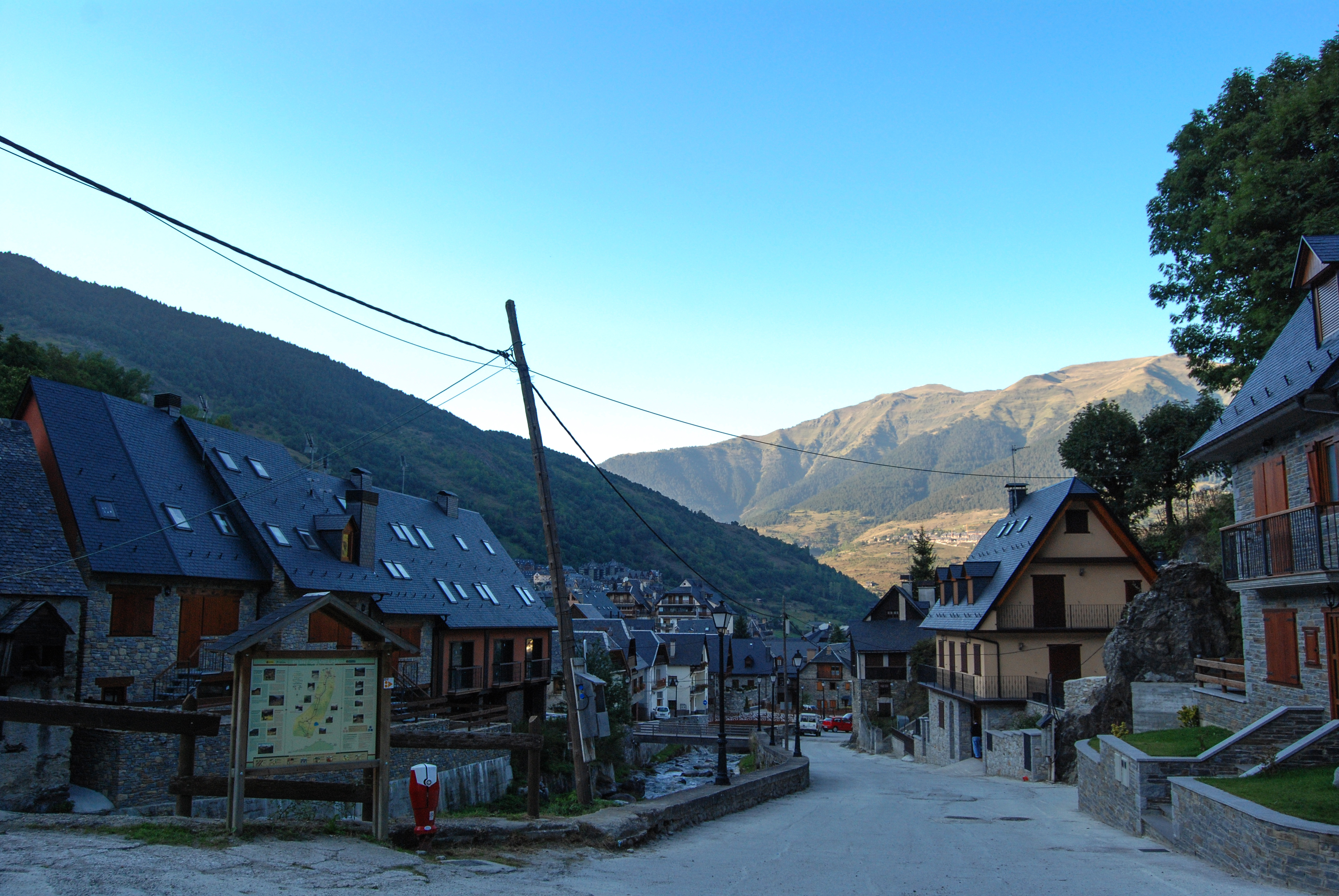
Its cultural heritage combines traditional Pyrenean architecture with historical features. Highlights of the historic quarter include the Sant Miquèu Church, a medieval building which presents Romanesque and Gothic elements, and the General Martinhon Tower, which houses the Val d’Aran Museum. Other highlights include historic stately homes such as Çò de Rodès, which are typical examples of Aranese architecture.
The spectacular natural surroundings offer a Pyrenean landscape, with peaks rising to over 2,000 metres, glacial valleys, forests, rivers and meadows. Nearby are iconic sites such as the Aigüestortes i Estany de Sant Maurici National Park and trails such as Uelhs deth Joeu and the Camín de Reiau.
The town celebrates its annual festival in the second week of September, with activities for all ages —races, workshops, concerts, competitions and parades— that are proof of the town’s vibrant social life. Traditional Aranese dances, such as the aubada, are performed by local groups to preserve and promote the region’s intangible cultural heritage.