
Puntos de Interés

Hydrography
Hoda lagoon
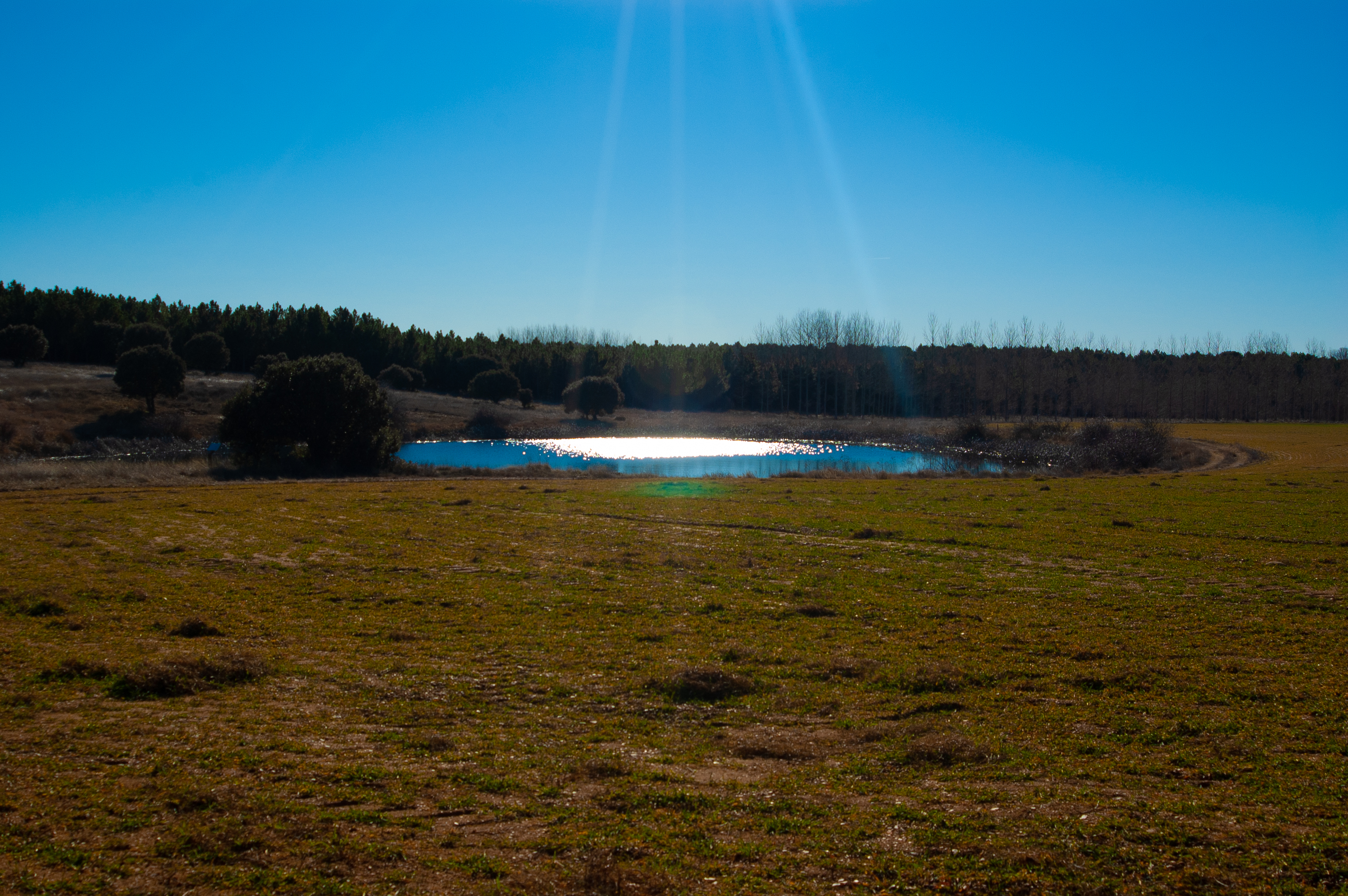
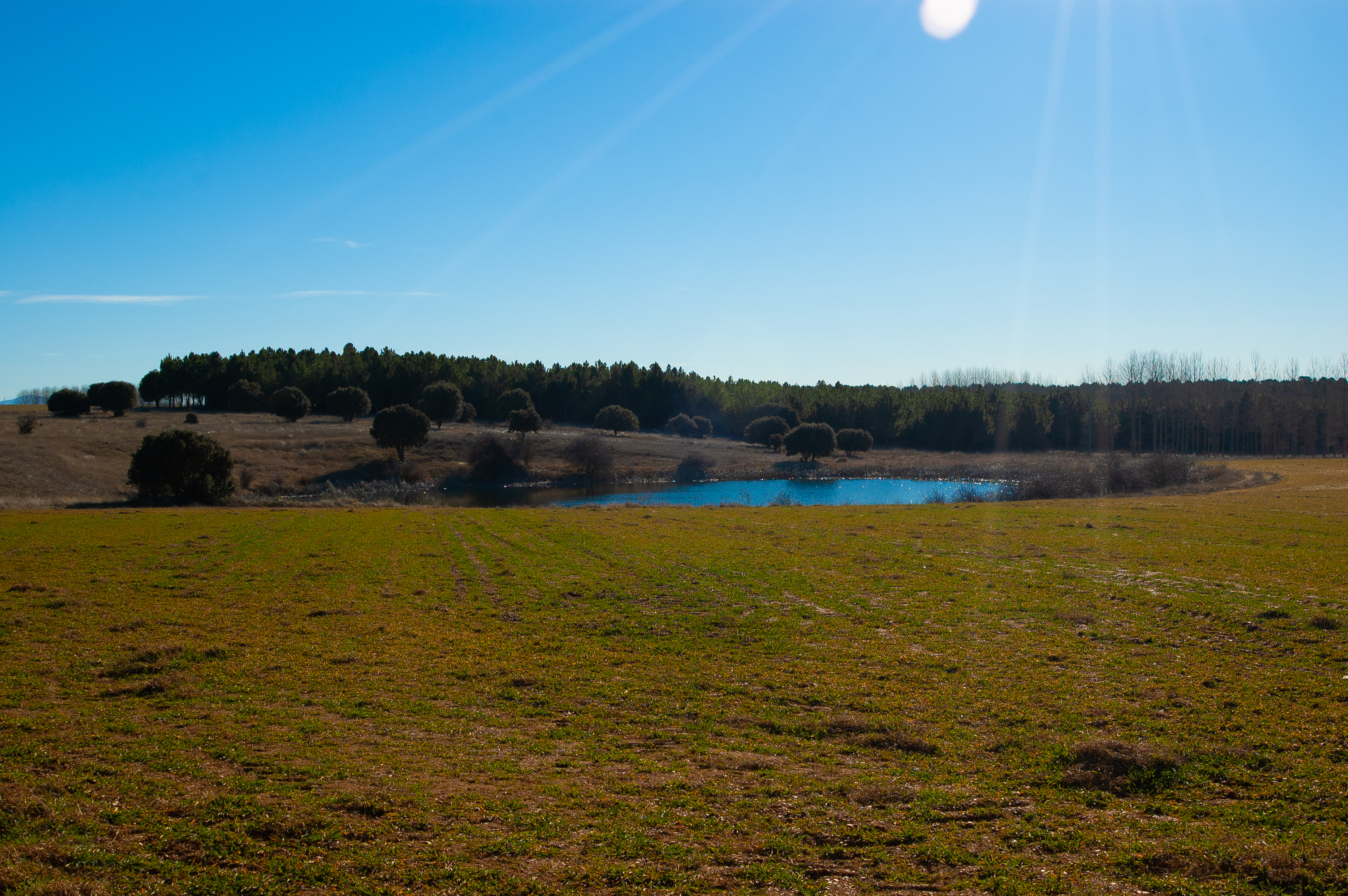
The Honda Lagoon is a wetland that belongs to the Campo de Gómara Lagoon Complex. It is an oval-shaped lagoon, which maintains its water level permanently, although it has slight annual fluctuations in level, as it has water that comes from a nearby spring and gives rise to a small stream. It measures 103 x 78 metres and has a surface area of 7,525 square metres.
The waters of this lagoon have a basic pH and are defined as calcium-bicarbonate due to their mineral content. In terms of vegetation, four bands can be distinguished from the outermost to the innermost: a community of roundhead bulrushes (Scirpoides holoschoenus), wetland grass formations like yellow iris (Iris pseudacorus), marsh speedwell (Veronica scutellata) and Rorippa nasturtium aquaticum, helophytic vegetation like softstem bulrush (Schoenoplectetum tabernaemontani) and rooting hydrophytic vegetation like sago pondweed (Potamogeton pectinatus).
In terms of fauna, the presence of coots (Fulica atra) and moorhens (Gallinula chloropus), as well as mallards (Anas platyrhynchos) and gadwall (Mareca strepera) should be highlighted.
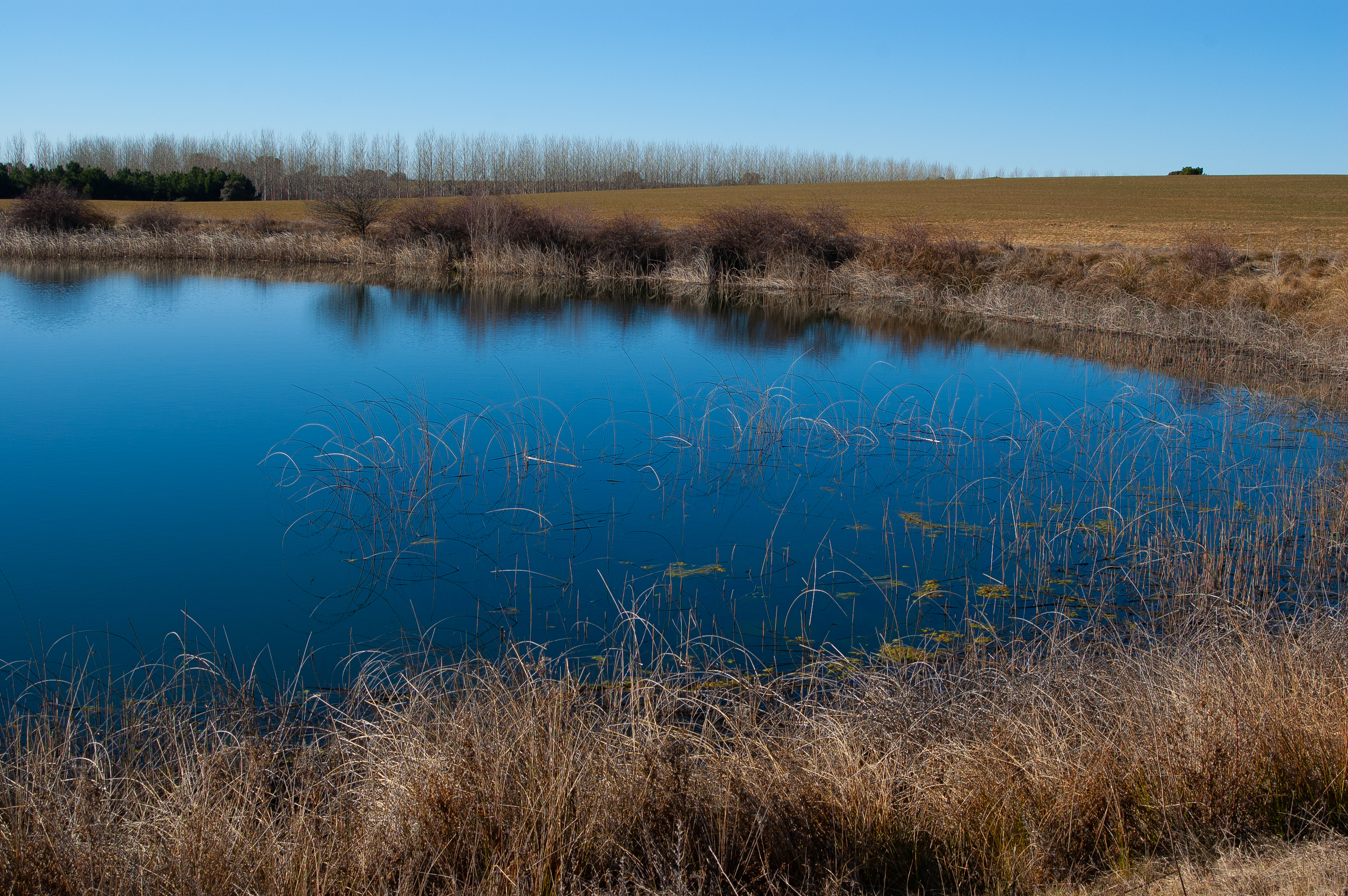
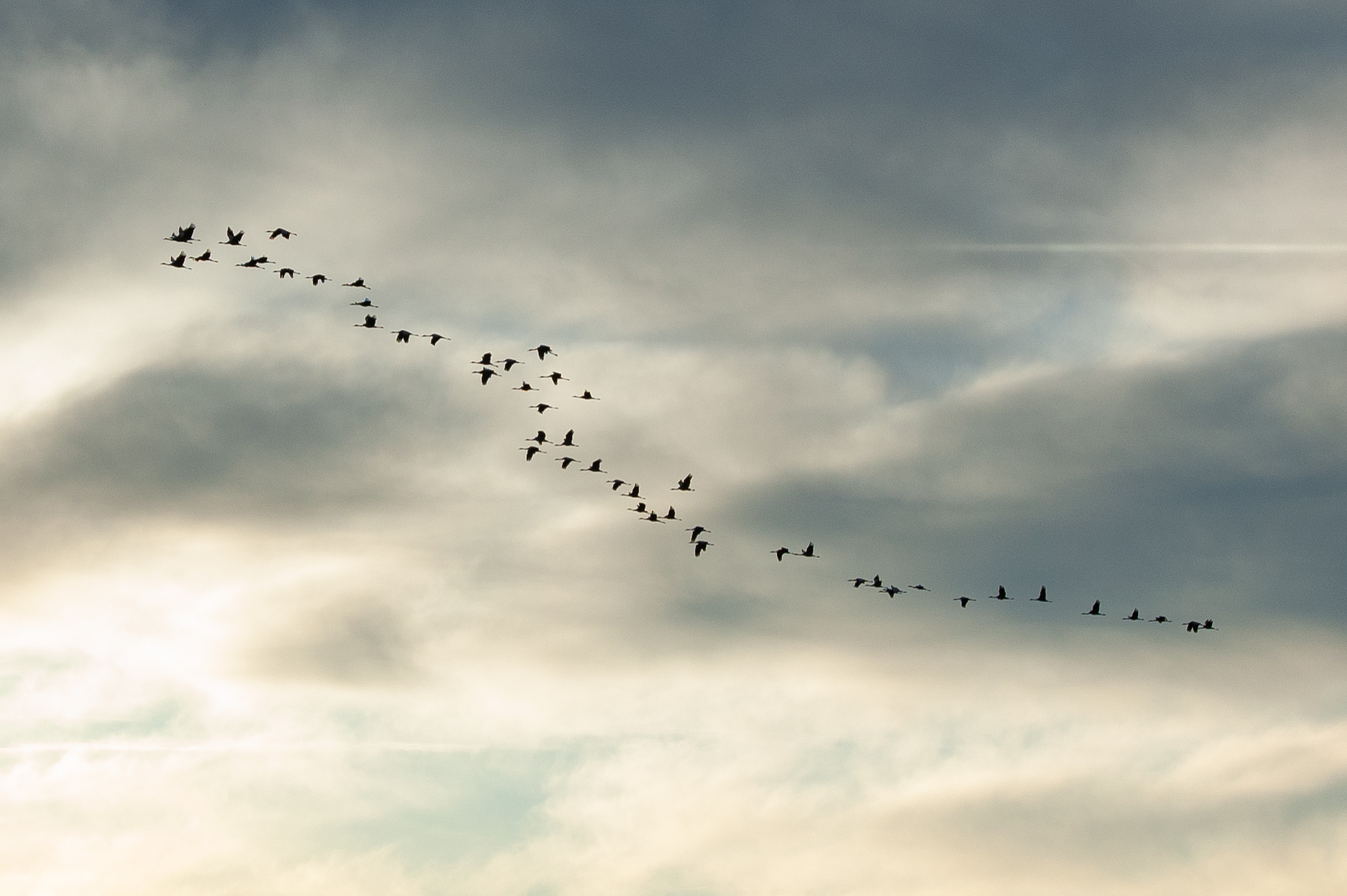
In the Campo de Gómara Lagoon Complex there are other lagoons such as Llanos de la Herrada and Guarrero. It is an oasis in the middle of a cereal steppe. It is the largest in the area, with permanent water and covered with aquatic vegetation that constitutes an extraordinary habitat for coots, mallards, teals and waders. This is a real paradise for wildlife lovers, with geese, cranes and the occasional marsh harrier to be spotted during the migration season.
In the municipality of Aldeafuente there are two other lagoons: the Herrera Lagoon and the Cubillo Lagoon. The former is one of the few areas inhabited by Marsiela stringosa, an aquatic plant, classified as rare. It could be described as a strange four-leaf clover-like fern that can be seen floating on the surface of the water. Finally, we should mention the Cubillo Lagoon, which is increasingly frequented by birds, despite its sparse vegetation.