

Puntos de Interés

Hydrography
River Pas
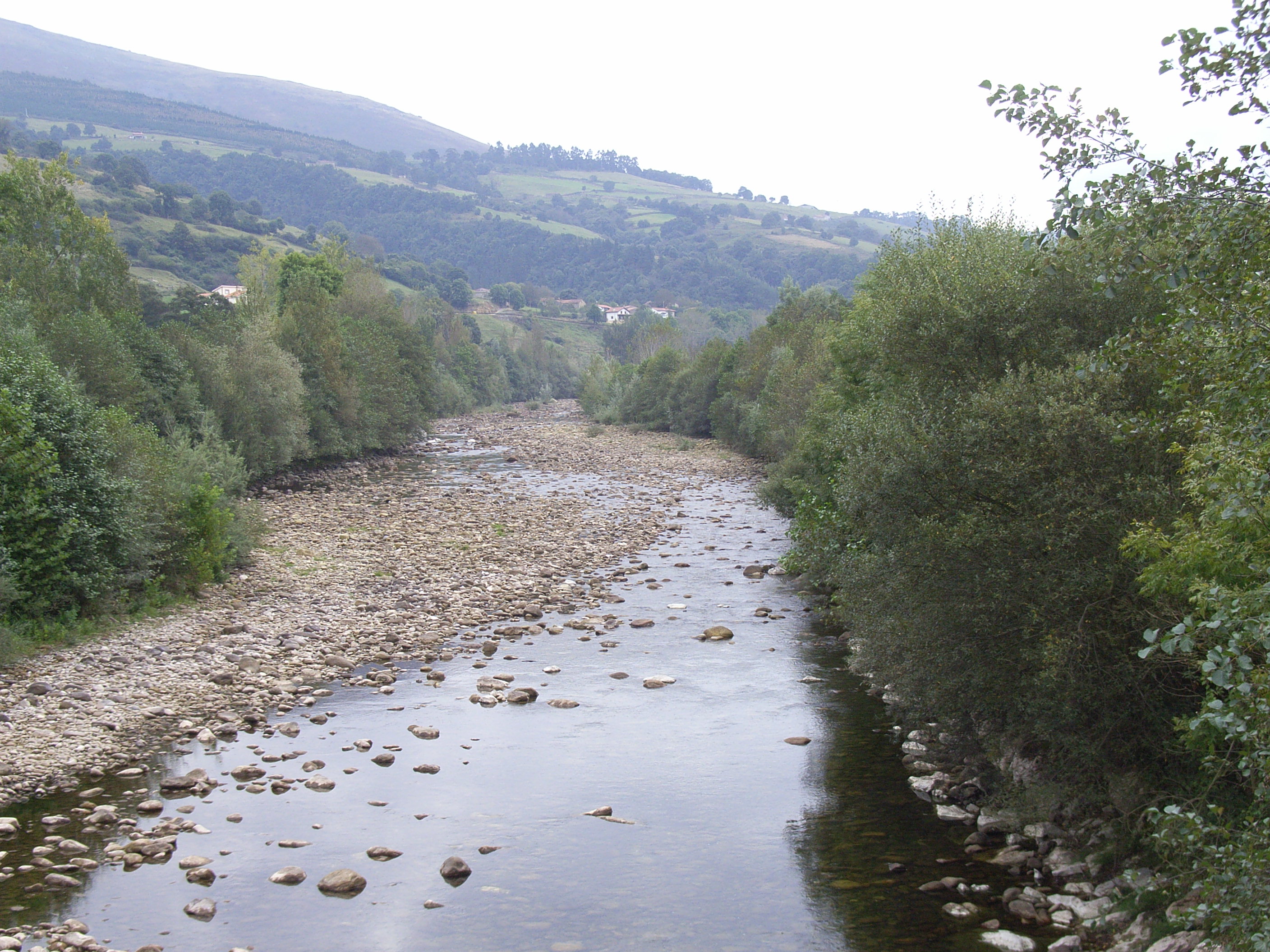
The 61 kilometre-long River Pas rises at an altitude of 1,496 metres above sea level, at the confluence of several streams that collect water from the Peñas Negras and ends its course on the Cantabrian coast, forming the Mogro estuary. This estuary, protected as part of the Dunes of Liencres and Pas Estuary Site of Community Interest, is a natural environment of great ecological importance. The Pas river basin, the third largest in Cantabria, sustains a landscape of singular beauty and natural wealth.
Since 1997, the Pas river and its main tributary, the Pisueña, have been listed as a Site of Community Interest, covering 957 hectares protected. This area is home to nine animal species of special interest, and the riverside forests, made up of alder(Alnus glutinosa) and ash (Fraxinus excelsior), are in excellent condition, especially in the lower part of the river. These riparian ecosystems are a haven of biodiversity and a natural spectacle for visitors.
Throughout its history, the River Pas has undergone significant modifications. The canalisation of its course, implemented to prevent flooding in the riverside villages, significantly reduced the salmon and trout populations, species that once defined its fish wealth. This intervention, although necessary, has diminished the ecological quality of the river, posing challenges for its conservation.
However, the River Pas was not always known by that name. There are documents from the 10th century where it is mentioned as the Gurueva, however, since the 11th century, it has been recorded under its current name. The origin of this name is uncertain: some link it to the Latin Pax, in reference to the act of peace between Cantabrians and Romans; others suggest that it derives from the word passagio, a medieval tax imposed by Castile for the passage of cattle. Whatever its roots, the name Pas remains a symbol of the region's identity.
The waters of the River Pas have been crucial to the area's economy for centuries. As well as irrigating orchards and pastures, from the 15th to 19th centuries they supported the activity of ironworks, facilities that harnessed the power of water to produce iron. This industrial activity, together with trade and livestock farming, consolidated the importance of the river as an axis of development in the valleys of Cantabria.