
Puntos de Interés

Information
RN Riberas de Castronuño-Vega del Duero
The Riberas de Castronuño-Vega del Duero Nature Reserve, situated in the centre west of the province, near the border with Zamora, encompasses an area of 8,420 ha, including the Zone of Singular Interest (ZSI) with a total surface area of 34,300 ha. The area includes the towns of Castronuño, Pollos, Torrecilla de la Abadesa and Tordesillas.
The Gran Florida del Duero natural area was established in the 1940s with the construction of the San José reservoir. The flooding of large areas of fertile riverbank soils was followed by the gradual colonisation of these areas by dense reed beds, which were supported by the constant level of the reservoir.
As the reedbed mass expanded, it attracted an increasing variety of waterbirds. The Riberas de Castronuño is a vital refuge for the nesting and wintering of this type of bird. This is why it was designated a Special Protection Area for Birds (SPA) in 1992 and subsequently declared a Nature Reserve a decade later. The presence of several species of great ornithological value in this enclave, including the purple heron, the marsh harrier and the night heron.
The area is a notable example of a marshland ecosystem along the Duero River between Tordesillas and Castronuño. The vegetation in this reserve is comprised of riverside woods, mainly composed of black poplar, willow, white poplar, ash and hawthorn. Furthermore, the area boasts a variety of natural habitats, including elm groves, holm oak and stone pine forests, which are home to a diverse range of flora, including thyme, broom and reed beds.
The natural space boasts a remarkable fauna, with an inventory of 189 species of birds, 24 mammals, 10 reptiles, 5 amphibians and 9 fish.
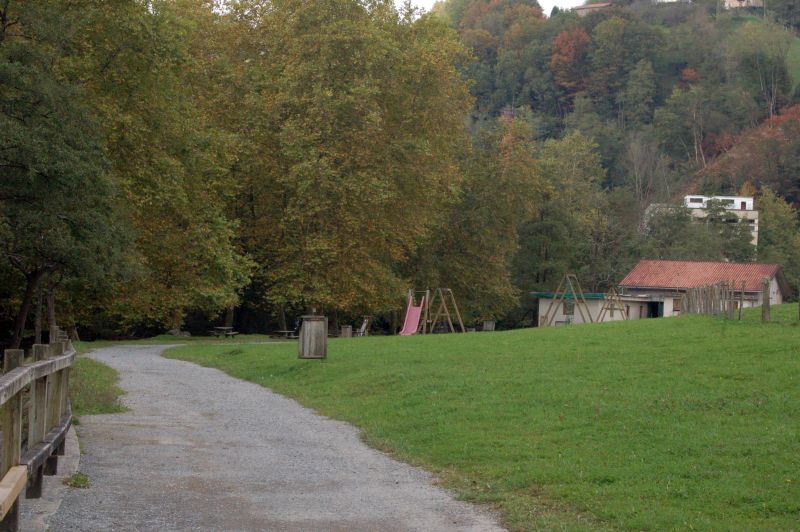
The Riberas de Castronuño-Vega del Duero Nature Reserve boasts a distinctive aesthetic, characterised by striking visual contrasts, distinctive shapes and a diverse palette of colours. These features contribute to the reserve's unparalleled landscape values.
To gain a deeper understanding of this nature reserve, we suggest a visit to the Casa del Parque, an interpretation centre located in the Parque de la Muela de Castronuño. This interactive space provides essential information to enhance the experience in this protected area and deepen the knowledge of the various species of birds, mammals, amphibians and fish that inhabit the reserve. The company offers guided and educational routes, led by expert monitors, for those seeking a more structured experience.
The venue boasts an exhibition hall where activities related to the cultural and human values of the area, including history, population, traditions and art, are held.
Furthermore, visitors can observe the local fauna in real time via a camera in the reedbed.