

Puntos de Interés

Information
Los Ancares Leoneses
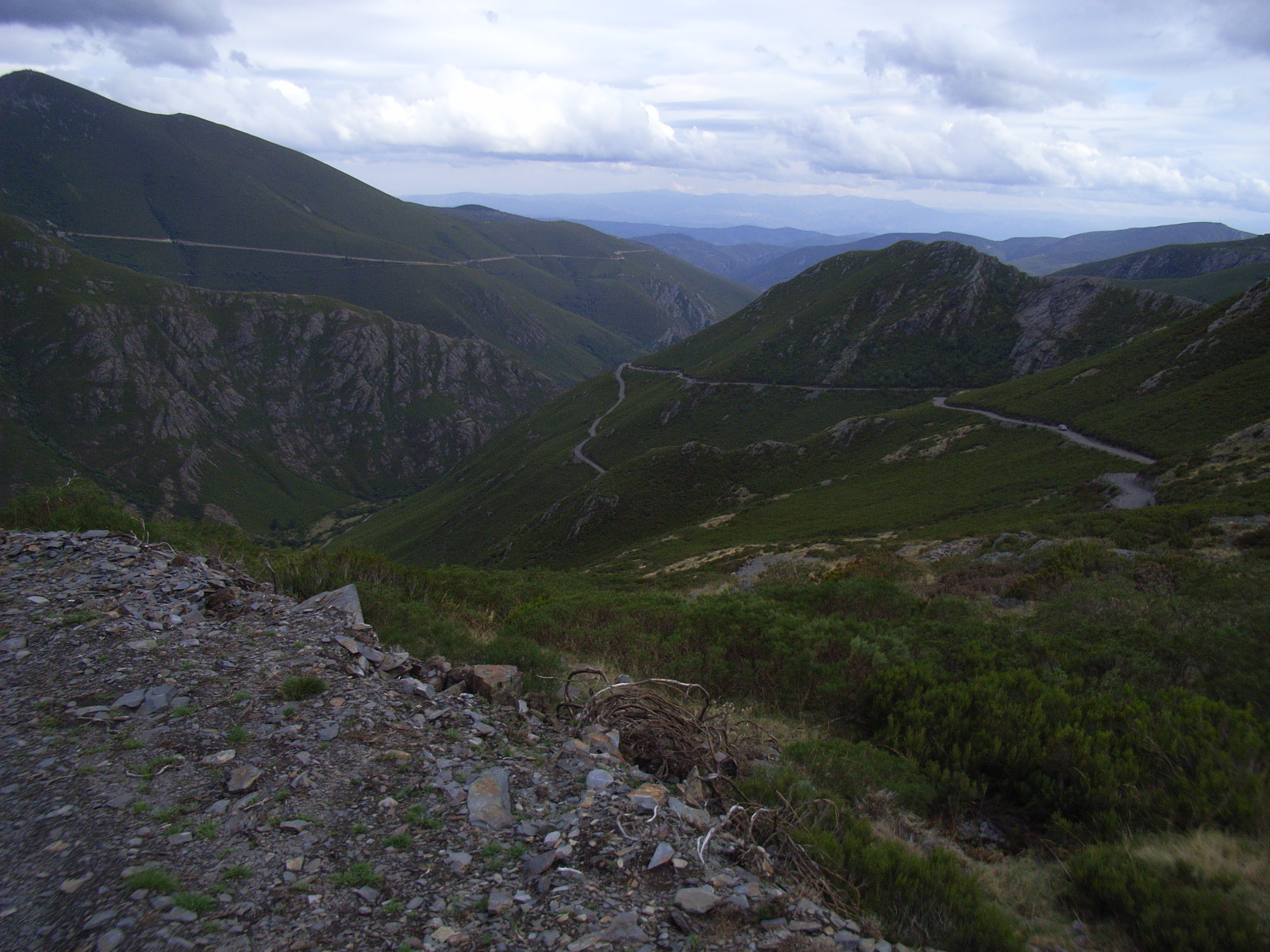
In the northwest of León, in the heart of the Cantabrian Mountains, lies the Los Ancares Leoneses Biosphere Reserve, an area designated by UNESCO in 2006 for its extraordinary natural and cultural wealth. It owes its name to the River Ancares and the valley through which it flows, and this name has now been extended to the neighbouring valleys. It encompasses the municipalities of Peranzanes in the Fornela Valley, Candín in the Ancares Valley, Vega de Espinareda and Villafranca del Bierzo. All of them have a history deeply linked to the landscape that surrounds them and belong to the Comarca of El Bierzo, on the north-western border of León.
The boundaries of the reserve are marked by two mountain ranges: the Cantabrian Mountains to the north and, to the west, the Sierra de los Ancares, where the highest peaks (Cuiña at 1,997 metres, Miravalles at 1,966 metres, El Mostallar at 1,934 metres and Peñarrubia at 1,822 metres) are located.
The 56,742 hectares are managed by a consortium formed by the four municipalities. The consortium's remit is to establish this area as a 'Sustainability Laboratory', where local development must progress hand in hand with nature conservation, scientific research and its dissemination. The selection of this area is due to its natural setting and the culture of its inhabitants.
This high- and mid-mountain territory is a mosaic of forests that change according to altitude. From the valleys to the higher areas, there are riparian forests, oak woods (Quercus robur and Quercus pyrenaica), birch woods with shrubby patches of wet heath (Erica ciliaris and Erica tetralix), and at the summits, low scrub composed of white heather, broom (Genista obtusiramea and Genista florida), gorse and creeping juniper.
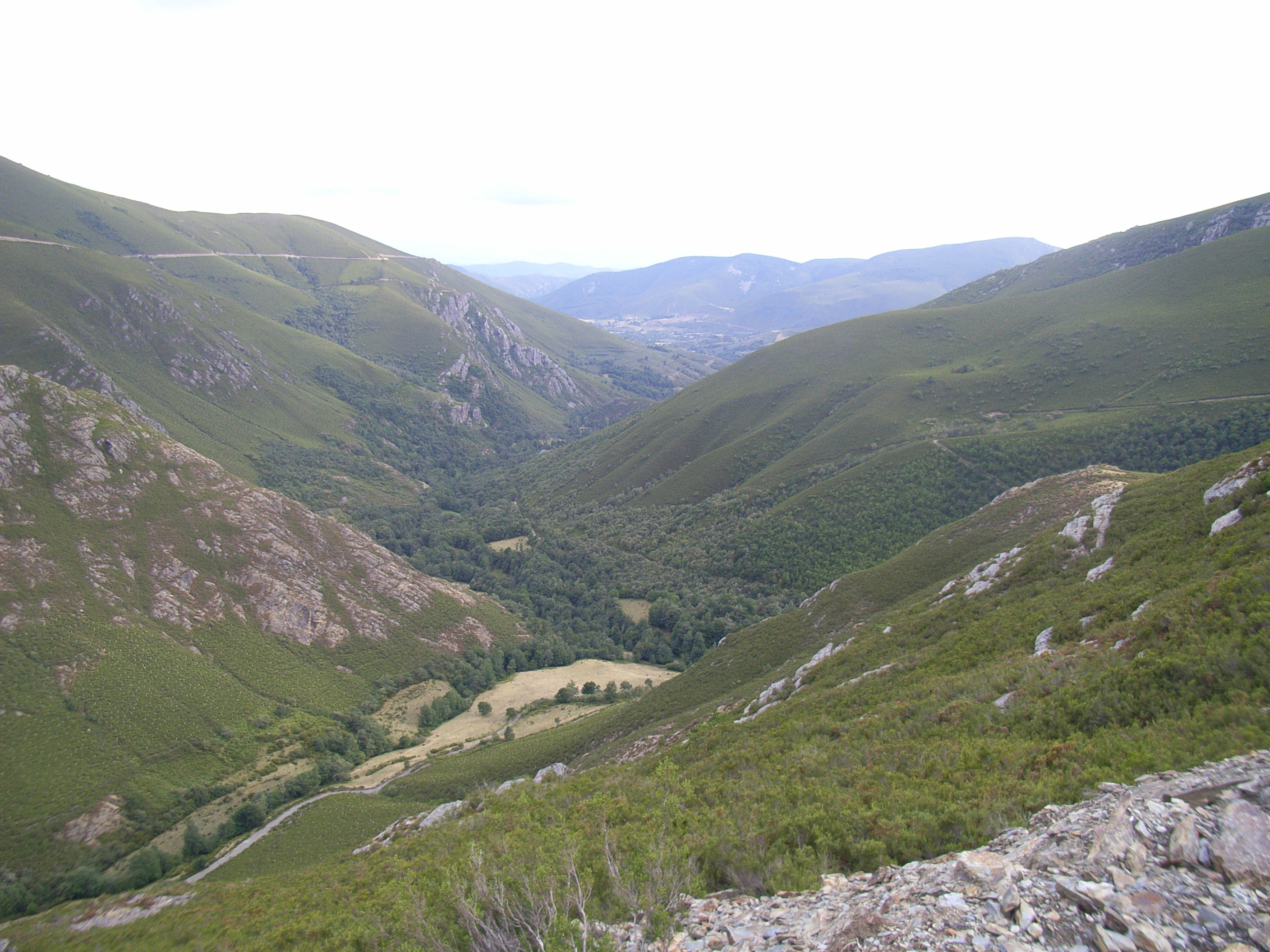
In addition, one can find emblematic species such as the brown bear (Ursus arctos), the capercaillie (Tetrao urogallus), the hen harrier (Circus cyaneus), the kingfisher (Alcedo atthis), the otter (Lutra lutra), the mountain lizard (Iberolacerta monticola) or the long-tailed salamander (Chioglossa lusitanica). And, of course, it is an ideal refuge for deer, mountain goats, roe deer, chamois and vultures....
In this environment, there are more than four different types of protection, all with different regulations and objectives. The highest level of protection is the Ancares-Courel Special Area of Conservation (SAC), which belongs to the Natura 2000 network, an ecological network of conservation areas at the European level. The SAC covers almost twice the area of the Biosphere Reserve and encompasses 33 threatened habitats and 54 threatened species. The other protection categories are the Sierra de Ancares Protected Landscape, several Sites of Geological Interest, two centenary chestnut trees declared Natural Monuments and the Regional Hunting Reserve.
The reserve is also a way of protecting traditional rural life, with villages where stone and timber buildings, ancestral festivals and a lifestyle connected to the environment are still preserved. The intangible heritage of the area is rich and varied, with celebrations marked not only by Christian culture but also by spring and autumn milestones, which continue to survive. Some examples are the autumn magostos (chestnut festivals), the entroidos (carnivals), the Mayos de Villafranca and the Danzantes del Valle de Fornela.
The reserve promotes sustainable development with projects that champion local products, such as the 'Reserva de la Biosfera de los Ancares Leoneses' brand, encourage environmental education and support the population with training and resources.