

Puntos de Interés

Municipality
Tuñón
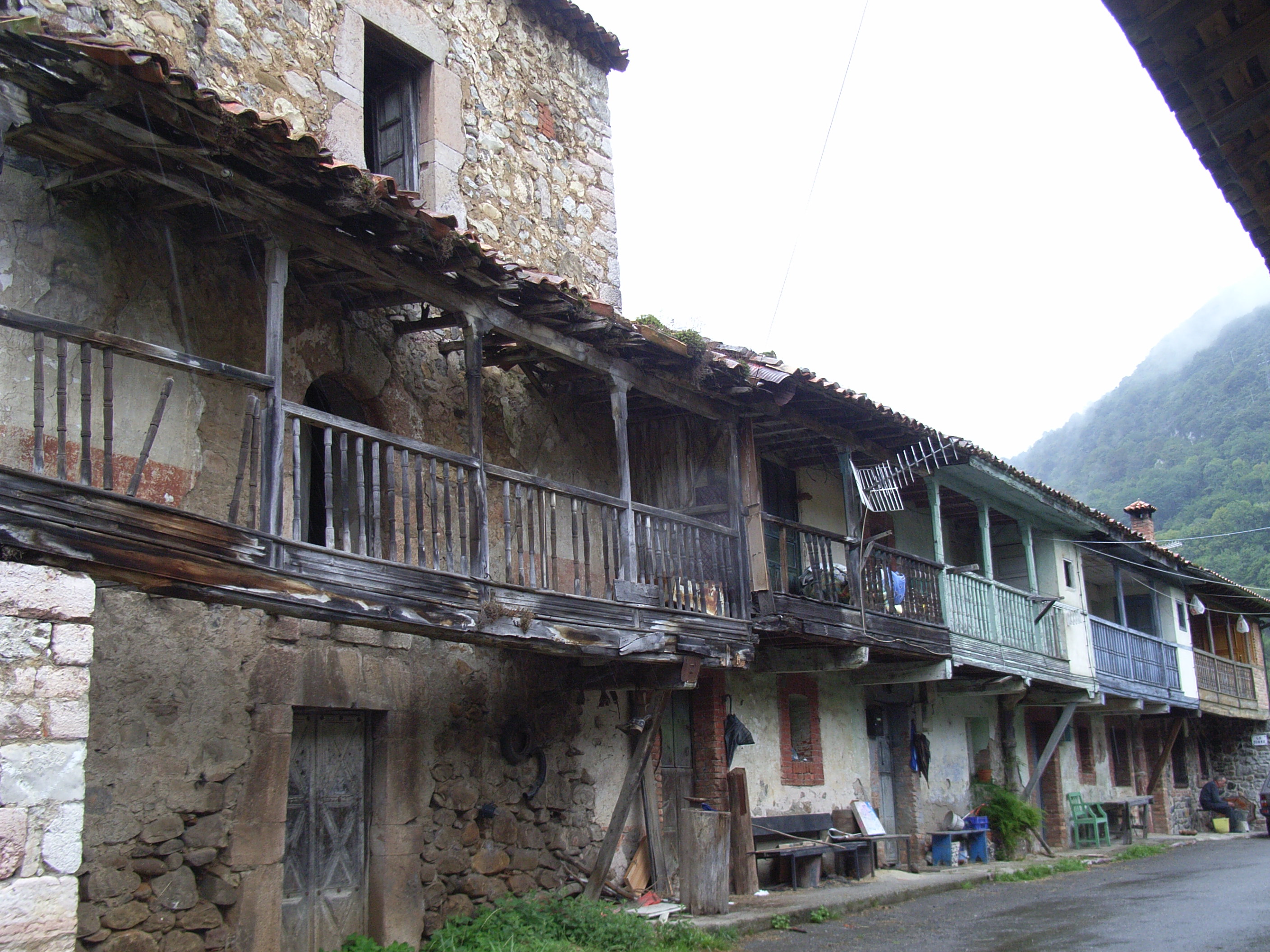
Tuñón is a small parish in the municipality of Santo Adriano, in the heart of the Asturian countryside, where history and landscape go hand in hand.
The most important building in the village is the Pre-Romanesque church of Santo Adriano de Tuñón, built in AD 891 by order of King Alfonso III. It was restored in 1108 and 1949, and since 1931 it has been declared a Protected Cultural Heritage site and National Monument.
This church is dedicated to Saints Hadrian and Natalia, and its architecture is typical of Asturian art: it has a basilican floor plan divided into three naves, connected by semicircular arches, a large entrance portico and a side chamber. On the opposite side of this room is the cemetery.
The natural environment of Tuñón is also of great value. The Rozapín Stream flows through Tuñón, eventually joining the River Trubia to the southwest of the village, bordering the parish before flowing into the mountains.
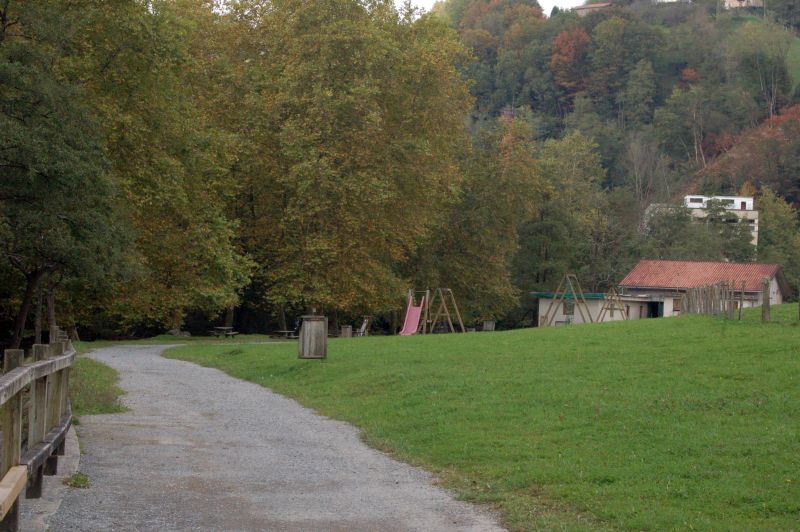
A few metres from the village there is a recreational area on the banks of the River Trubia, ideal for resting or strolling. At this spot, the La Esgarrada Bridge crosses the river and leads to the Senda del Oso Nature Trail, an old railway line that has been converted into a cycling and hiking route. Standing here is a monument dedicated to the bear.
There are several prehistoric caves in the municipality, such as the Cueva del Conde, the Cueva del Ángel, the Abrigo de Santo Adriano, the Cuevas de Los Torneiros and the Cueva de El Rebollal. These archaeological sites, located in the Tuñón valley, preserve Palaeolithic cave paintings, as well as skeletal remains of various animals and hunting tools that attest to the existence, more than 40,000 years ago, of a human settlement and a hunting centre in the valley.
On 20 January, Tuñón celebrates the Feast of Los Mártires (The Martyrs), dedicated to San Fabián and San Sebastián, a festive day marked by devotion, music and good food.