
Puntos de Interés

Hydrography
River Nalón
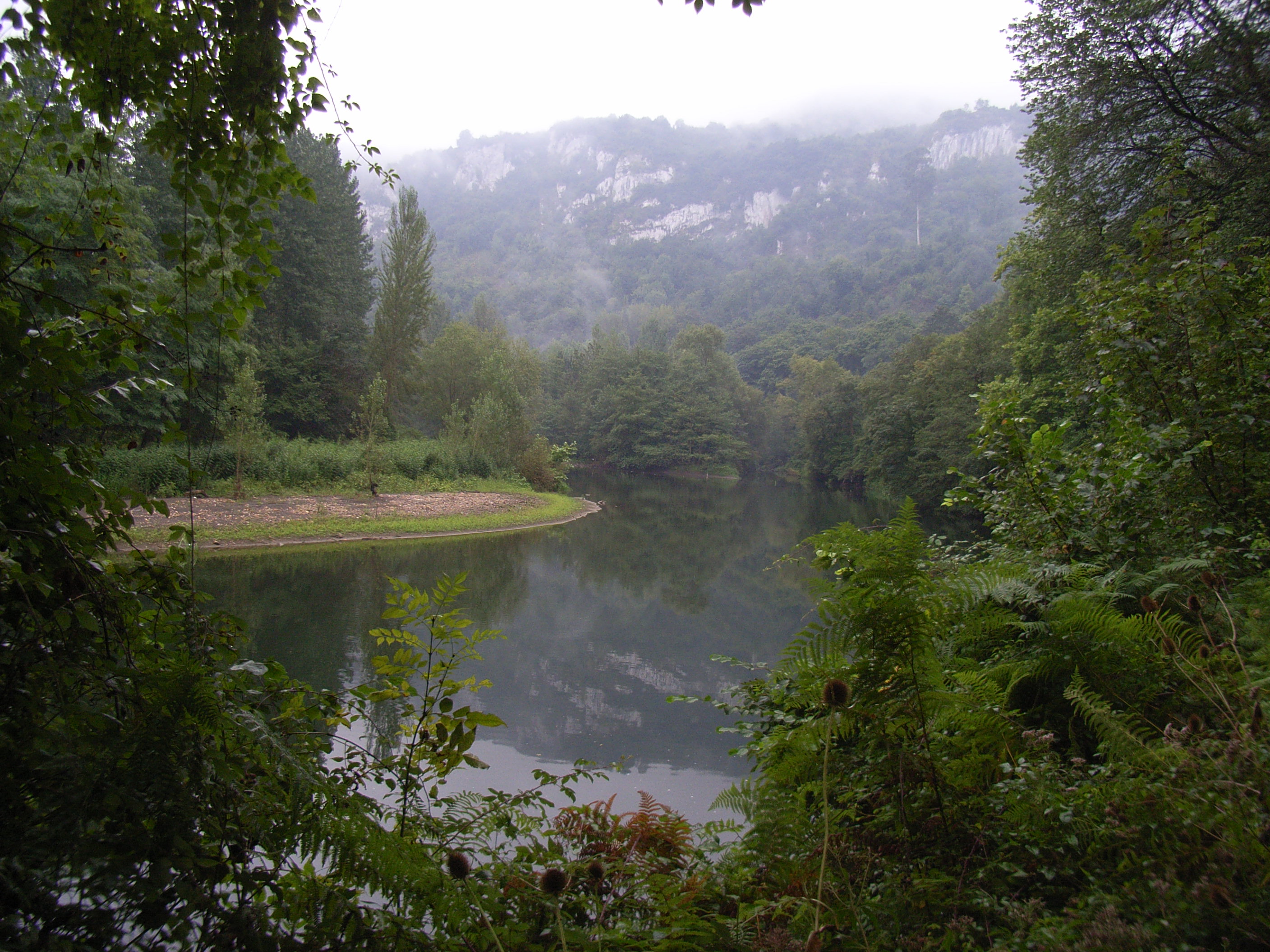
The Nalón is the most voluminous river on the Cantabrian slope and acts as the region's main artery. It rises at the Fuente la Nalona in the Tarna pass (Council of Caso). It flows for 140 kilometres until it reaches the Cantabrian Sea, emptying between San Esteban de Pravia and San Juan de la Arena, forming the Ría de Pravia.
Its name was first recorded by the Greek geographer Strabo as Melsos, although Ptolemy recorded it as Naelus or Nailos. In the Middle Ages, documents of the Kingdom of Asturias referred to it as Nilo-onis or Nalo-onis, forms that evolved into its current name.
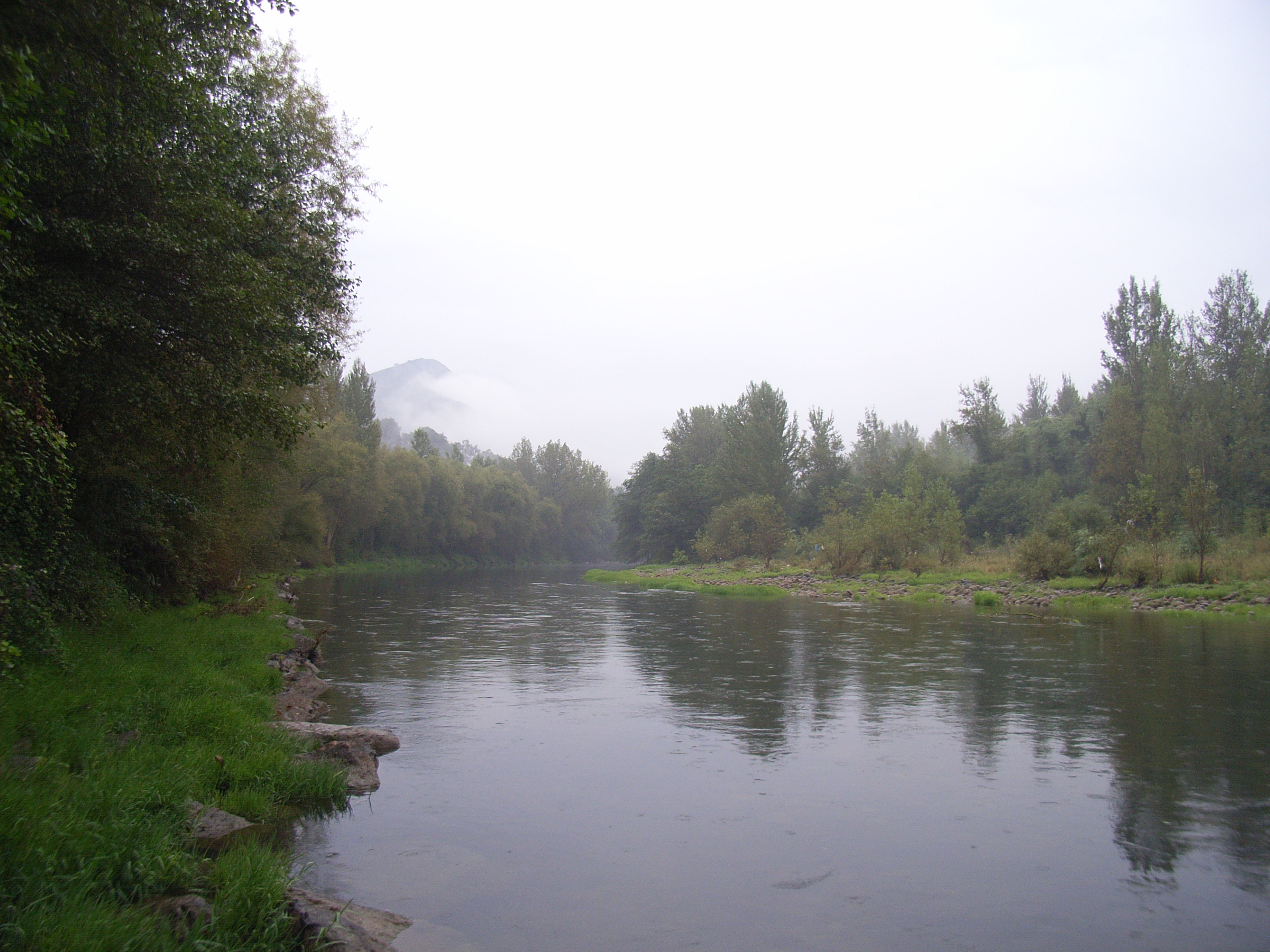
Historically, the river traversed 36 councils and was key to the region's industrial development. The abundance of water and coal in its basin drove the installation of factories and mining facilities, such as those in Langreo, where coal was extracted and washed in the Nalón.
Today, such practices have vanished, and discharges are regulated to protect environmental health. Restoration projects, such as in La Chalana, ensure water quality.
The Nalón is protected under European directives. Its upper course lies within the Cuencas Mineras Special Area of Conservation (SAC), and its lower course within the Río Nalón SAC. This second zone, comprising the channel and banks of the Nalón and the Ría de Pravia, begins in the Council of Ribera de Arriba and shares a border with Oviedo. Covering 721.3 hectares, it hosts five protected habitats such as riparian forests of alder and willow, oak groves and orchid meadows It shelters 14 protected species, including the Atlantic salmon, making the Nalón a premier salmon river.