

Puntos de Interés

Municipality
O Carballiño
O Carballiño is a town in Ourense province, located just 25 kilometres from the capital, with a population of over 10,000 inhabitants. Its landscape is framed by the A Martiñá and O Testeiro mountain ranges, and further away, by the imposing Serra do Suido. The area of the municipality is dominated by scrubland and marks the transition to the southern riverine townships.
It is home to a valuable archaeological heritage, with many archaeological sites such as hillforts (castros) and petroglyphs that reflect the traces of its first settlers. Its natural environment, characterised by the presence of chestnut and oak trees, gives a clue to the origin of its name: in Galician, carballo means ‘oak’, so Carballiño translates as 'little oak', a clear reference to the ecosystem of the area.
Another of its great attractions are the thermal waters that emerge from its sources and to which medicinal properties are attributed. In addition, the municipality is made up of 16 parishes: Arcos, Banga, O Barón, Cabanelas, O Carballiño, Lobanes, Longoseiro, Madarnás, Mesiego, Moldes, Partovia, Piteira, Ponte Veiga, Sagra, Seoane and Señorín. Within these, there are various hamlets and small settlements, some of which have no more than four houses.
Despite being one of the most populous towns in Ourense, its economy is still based on agriculture and cattle and pig farming. However, the tertiary sector has become more important thanks to the increase in tourism in the area and its proximity to the provincial capital, which has favoured its use as a commuter town.
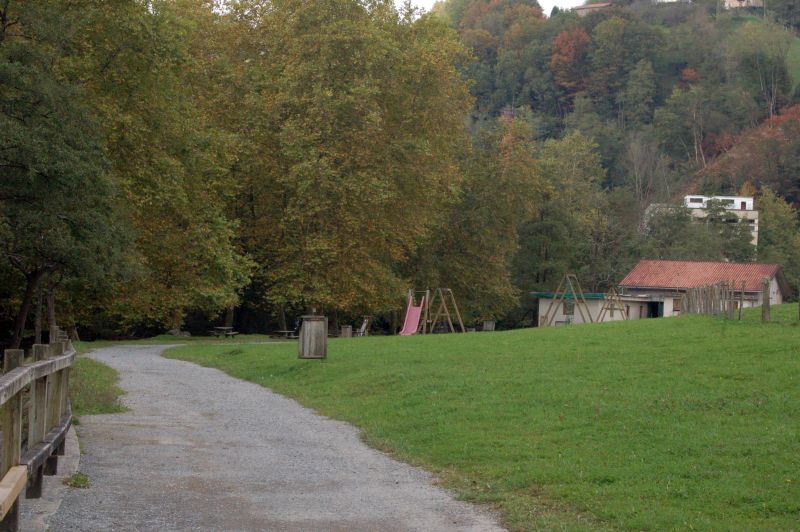
One of the best times to visit the town is during its most important festival: A Festa do Pulpo (Octopus Festival in Galician) , which is closely linked to the town’s origins and has been declared a Festival of International Tourist Interest. On the second Sunday in August, a massive culinary gathering is held on the banks of the River Arenteiro, a beautiful green area of the city. The origin of this festival dates to the time when the Monastery of Santa María de Oseira received large quantities of octopus, the surplus of which it distributed among its parishioners, who then marketed it. Over time, this tradition evolved and gave rise to the pulpeiras and pulpeiros, who have kept the traditional recipe of polbo á feira (fair-style octopus) alive.
In addition to this festival, O Carballiño has other celebrations of great interest, such as the patron saint festival of San Cibrán on 17 September, Holy Week and Carnival. In addition, on the 16th and last day of every month, a fair with local products is organised.