

Net of Nature
Trails

Plazaola Nature Trail


Description
select a stage:
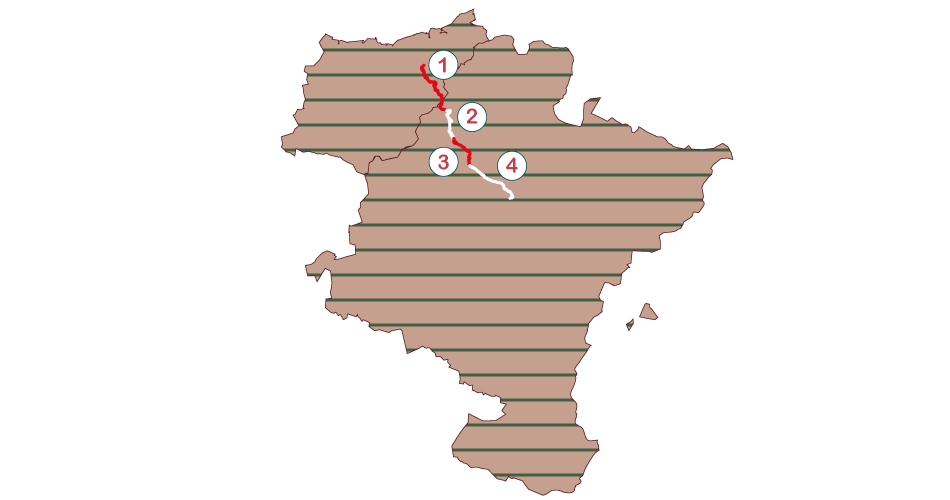

The Plazaola Greenway Nature Trail is one of the most spectacular hikes in Spain. This route, spread over four stages, takes in areas of Navarre and Gipuzkoa that combine natural beauty, railway heritage and rural traditions. From the woods and hamlets around Leitzaran, in Andoain, to Pamplona, a green and welcoming city, this route goes through villages steeped in history and landscapes that change with the route..
The dense, shady forests of beech, chestnut and oak trees feature prominently along much of the route, particularly in its early sections. Further on, the landscape gives way to more open areas, with pastures where Latxa sheep graze and land used for rain-fed farming. Towards the end, the route winds its way through the outskirts of the city until it reaches the capital of Navarre, a city that invites to discover its historical heritage, its green spaces and its cuisine.
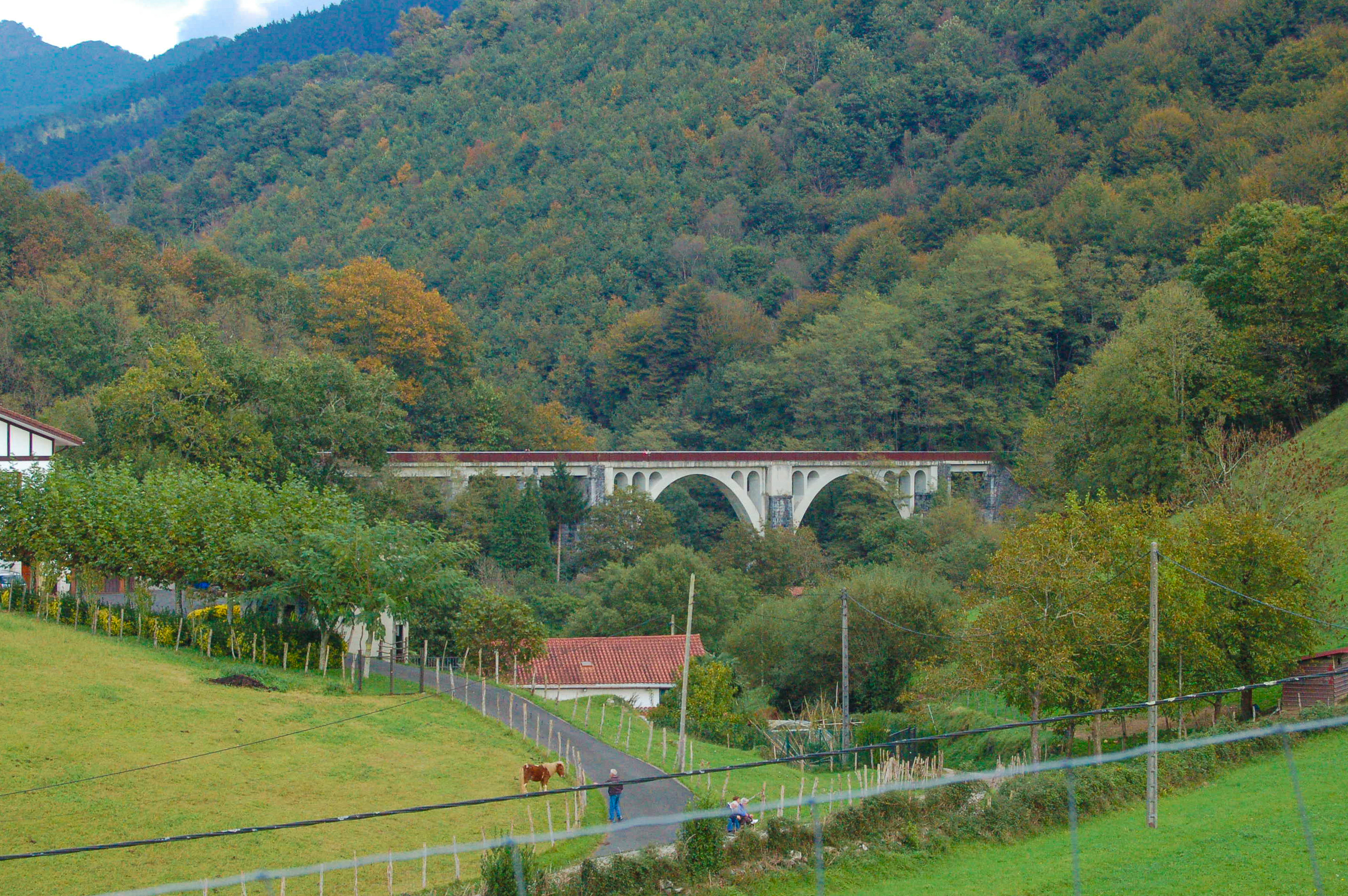
The railway’s history is evident throughout this route, with old stations such as Lekunberri, which houses the headquarters of the Plazaola Tourism Consortium; viaducts such as those at Auzokalte and Gulina; and, above all, numerous tunnels. Among them, the Uitzi tunnel stands out, with a course of 2.7 km, making it the longest in Spain’s Network of Nature Trails.
Managing Entities
Highlights
Plazaola train
This narrow-gauge, steam-powered railway originated as a mining line that transported iron from the mines at Plazaola to Andoain (Gipuzkoa). In 1914, the Plazaola underwent a transformation and entered a new phase, expanding its services as a passenger train and connecting Pamplona with Donostia/San Sebastián along its 84 km route. During its nearly forty years of operation, it became a key hub for communication and commercial and cultural exchange between Navarre and Gipuzkoa.
Although its economic significance was limited, the train enjoyed great popularity along its entire route, where it was commonly known as “the Plazaola”, “the Plazaola train”, “the Plazaola railway” and also affectionately as the “tren txiki”. This latter name, meaning “mini-train” in Basque, was also used to refer to other railways in the area, such as the one linking Irun and Elizondo.
The railway had stations and halts scattered along its route. Its regular stops included Pamplona (city), Pamplona (junction), Aizoain, Sarasa, Gulina (halt), Irurtzun, Latasa, Lekunberri, Uitzi, Leitza, Areso (halt), Plazaola, Ameraun (halt), Olloki, Andoain, Lasarte (junction: Bilbao – Ferrocarriles Vascongados), Añorga and Donostia (Amara). In addition, there were two other halting points, Bizkotx and Beiñes, which were not included amongst the regular train stops.
The floods of October 1953 swept away several bridges and sections of track, rendering the railway line unusable at various points. Added to this was fierce competition from bus companies, which led to the closure of the passenger transport service that same year. However, the railway line continued to operate some freight services on the section of the Leitzaran Valley in Gipuzkoa. In 1958, the line was closed down for good, the track was subsequently removed, and the facilities were dismantled.


